Moving Mind · Arts therapies
Art therapy: when art becomes care
Francesca Peruzzi, psychologist · 23 May 2026 · 9 min read
What is art therapy?
Art therapy is an expressive, experiential therapeutic discipline that uses the language of art as a tool for care, self-knowledge and transformation.
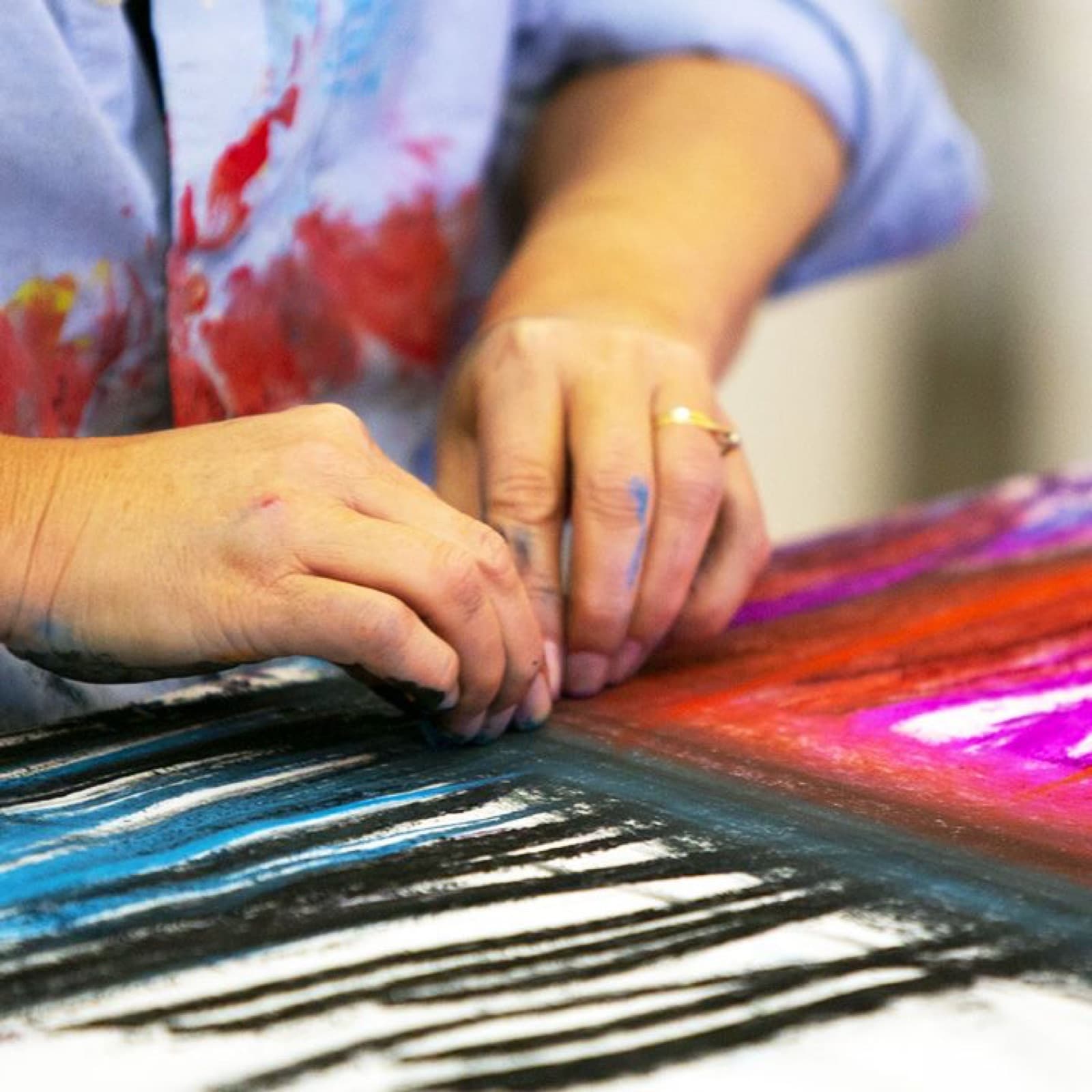
Art therapy differs from simply "making art" because it places the emphasis on the process of creation and on the individual's experience during the artistic activity, rather than on the final result. In this context, it allows people to relate to images, materials, emotions and deep experiences through the body, the hands, colour and the creative process itself. Its therapeutic value lies precisely in expressing emotions and feelings through different art forms, and has nothing to do with the aesthetic quality of what is produced.
The practice of art therapy rests on the idea that the creative act can help communicate complex inner states, making visible thoughts and moods that are sometimes hard to put into words. Through drawing, painting, sculpture and other art forms, participants have the opportunity to explore their vulnerability, face traumatic experiences and release emotional tension. This process can lead to greater self-awareness and support better mental health.
Art therapy is used in a range of clinical and non-clinical settings and is suitable for people of all ages, from children to older adults. It is particularly helpful for those who find it hard to express their feelings in words, because creative work becomes an alternative, inclusive means of communication. In this way, art therapy not only supports the process of care, but also encourages inner transformation, helping people develop new ways of meeting the challenges of everyday life.
The creative process as a therapeutic tool
The creative process proves to be a powerful therapeutic tool, able to help express emotions and inner contents that often remain unspoken. When words are not enough, the creative gesture offers a valuable alternative for exploring and communicating complex feelings. Through various art forms, such as painting, sculpture and writing, each person can give life to tangible representations of their inner experience.
In art therapy, the creative gesture gives shape to inner contents that are often hard to express in words. Drawing, painting, modelling or making marks thus becomes a way of making visible what is hidden: emotions, fears, bodily memories, unconscious conflicts, desires, relational experiences and deep parts of one's identity. The creative process therefore acts as a catalyst, because it allows the person to express and set down outside themselves inner emotions and images, observe them, enter into dialogue with them and transform them.
According to Donald Winnicott, creative living arises in the "potential space" between the individual and the environment, an intermediate space in which it is possible to experiment, play and be transformed.
Using a variety of art materials and techniques is fundamental here. Every choice, from the colours used to the materials chosen, can reflect intimate feelings, creating a bond between the artist and the work that supports introspection. For example, painting with warm colours may express joyful moods, while cool tones may hint at feelings of sadness or introspection. Practices such as modelling clay are not only stimulating to the touch, but also make it possible to give shape to complicated thoughts and feelings, offering a concrete way of facing them.
The body plays a central role as an expressive, creative medium in the arts therapies. The body acts before the rational mind does: movement, contact with materials and the rhythm of gestures allow deep memories and unconscious contents to emerge.
One of the fundamental aspects of art therapy is the so-called triangular (three-way) setting: the therapeutic relationship involves not only client and therapist, but also the image produced. The artwork becomes a "third element", a silent partner in the therapeutic relationship. Luca Luzzatto describes this space as a continuous dynamic between client, therapist and image. The image is a symbolic space that holds, transforms and gives emotions back. Through creative work, the client can recognise aspects of themselves, gain distance from their experiences and develop new ways of relating and communicating.
The creative process is also marked by an atmosphere free of judgement, in which everyone can explore freely without the pressure of external evaluation. This supportive environment encourages vulnerability, making it possible to face difficult experiences and arrive at greater self-awareness. Art thus becomes a means through which the complex emotional universe can be explored and understood, revealing the healing potential inherent in the creative gesture.
Benefits of art therapy according to scientific literature
Recent research has highlighted the many benefits associated with art therapy, a form of treatment that uses the creative process as a therapeutic tool. In particular, several studies document a significant reduction in anxiety and depressive symptoms among participants in art therapy sessions. Engaging in artistic activities not only fosters a sense of personal achievement, but has also been shown to help improve the overall wellbeing of those involved.
The scientific literature also stresses how art therapy supports better emotional regulation. Using artistic techniques, people are able to express complex emotions that are hard to put into words. This process enriches how emotions are managed and, as a result, improves quality of life. Artistic practices, in fact, offer a safe channel in which people can explore and come to terms with their inner experiences.
In specific contexts, such as the treatment of post-traumatic stress disorder or therapy for people living with chronic illness, the effectiveness of art therapy has been highlighted by multiple studies. The results indicate that creative expression techniques not only ease symptoms but also improve perceived wellbeing. People who take part in these therapies regularly report greater life satisfaction and more meaningful relationships.
A meta-analysis published in Complementary Therapies in Clinical Practice found that mindfulness-based art therapy has significant effects in reducing anxiety, depression and fatigue, while also improving quality of life in patients with chronic medical conditions.
PubMed – Effectiveness of mindfulness-based art therapy for symptoms of anxiety, depression, and fatigue.A systematic review published in Trauma, Violence & Abuse analysed the effects of art therapy on traumatised adults, finding a significant reduction in trauma and depressive symptoms across several clinical studies. The authors highlight how the creative process allows patients to access and work through traumatic contents that are hard to verbalise.
The Effectiveness of Art Therapy in the Treatment of Traumatized Adults.
A recent meta-analysis published in BMC Psychology in 2025 shows that the creative arts therapies (including art therapy, music therapy and dance movement therapy) have positive effects in reducing post-traumatic stress symptoms, in emotional regulation and in the sense of bodily safety. Colors of the Mind: Creative Arts Therapy for PTSD
A neuroscientific review published in Frontiers in Human Neuroscience proposes a neurophysiological explanation of the effectiveness of art therapy in PTSD: the sensory, bodily and imaginative involvement of the creative process may help regulate the nervous system, integrate fragmented traumatic memories and reduce the hyperarousal typical of trauma.
The scientific literature supports the idea that art therapy, through its creative approach, offers a wide range of psychological and emotional benefits, contributing positively to the mental health of those who take part.
Factors that influence the effectiveness of art therapy
Scientific evidence also suggests that several factors can affect how effective art therapy is, making this therapeutic approach distinctive and versatile. Among them, the context in which therapy takes place plays a crucial role. Safe, stimulating environments can encourage greater creative expression and make emotional openness easier, which is essential to the therapeutic process. Conversely, unwelcoming or stressful environments may hinder the client's progress.
Another fundamental element is the quality of the therapeutic relationship. Trust and understanding between therapist and client significantly influence the effectiveness of art therapy. An empathetic therapist who can grasp the client's needs allows a better emotional exploration through art, creating a bond that encourages reflection and change. Several studies have shown how high-quality relationships can increase the effectiveness of the artistic techniques used, contributing to more satisfying outcomes.
The target population also proves decisive. Needs and responses to art therapy vary considerably according to demographic and psychological factors, such as age, cultural background and pre-existing psychological conditions. For example, children, adolescents and adults may benefit from different therapeutic approaches. Some studies have shown that personalised approaches tend to produce more positive outcomes than standardised strategies, underlining the importance of flexibility in treatment design.
Finally, the variety of therapeutic methods used can influence the results. Art therapy can include different techniques, such as painting, sculpture and creative writing, and combining them can contribute to a more complete therapeutic experience. In this respect, the therapist's training in various artistic methods is fundamental to ensuring an effective intervention tailored to the client's needs.
Theoretical approaches in art therapy
Art therapy draws on a plurality of theoretical approaches, each of which helps shape an integrated approach to promoting emotional wellbeing through the creative process. Among the most relevant is the Jungian psychoanalytic approach, which explores participants' unconscious dynamics through artistic expression and focuses on imagery and symbolism, opening access to deep resources.
Another significant approach is the psychodynamic one, in which the relationship is a fundamental tool for exploring emotional transference and for fostering self-awareness through art. The artist-therapist guides the participant on the intricate journey of discovering their inner experiences, using creative languages to engage with complex feelings.
The Gestalt model focuses on the unity of the individual, promoting self-awareness and the integration of the self through art.
The theoretical approaches in art therapy, which vary with the therapist's expertise, come together around a common aim: care and the improvement of emotional wellbeing through creative activity.
The triangular setting in the therapeutic relationship
The concept of the triangular setting is of fundamental importance in art therapy, because it defines the structure of the therapeutic relationship. In a triangular setting, the three main components are the client, the therapist and the artwork created. This framework makes it possible to create a safe space in which not only can the client explore their emotions through art, but the therapist can also observe and intervene more effectively.
The artwork therefore acts as a third element that mediates communication between client and therapist. This is crucial, because many people find it hard to express their experiences in words. The artistic image thus becomes a powerful means of communication, allowing the client to bring out feelings and thoughts that might otherwise remain unexpressed. By looking closely at the work created, the therapist can support deep reflection on the themes that have emerged, encouraging the client to explore underlying meanings and to connect better with themselves.
The triangular setting also helps create an atmosphere of trust and collaboration. The client is no longer a passive subject but an active participant in the therapeutic process, because art becomes a vehicle through which they can experiment and make sense of their experiences. The therapist, then, is not just an observer but a partner in creative exploration, guiding the client on a journey of self-discovery.
Conclusion and future prospects for art therapy
Art therapy, as a discipline in the care of mental and physical health, has been shown to have a significant impact on people of different ages and backgrounds. Combining art and therapy not only offers an alternative to traditional methods, but also paves the way for more integrated and personalised treatment. Art therapy can in fact be used alongside other forms of therapeutic intervention, raising the quality of contemporary clinical practice.
With the continuing development of neuroscience, new horizons are opening up for a deeper understanding of the interactions between creative activity and cognitive and emotional processes. Future prospects could include integrating art therapy into regulated settings such as hospitals, schools and communities, giving more and more people access to these tools.
Art therapy has unparalleled potential and, through the continued evolution of research and greater collaboration between professionals, we may see it recognised in Italy as a fundamental practice in modern care strategies. By supporting rigorous studies and spreading greater awareness, we can make sure that art therapy plays a central role in improving health and overall wellbeing in society.
Francesca Peruzzi - Psychologist, Expressive Arts Therapist, Artist and Somatic Coach.