
Trauma and the body
Psychology of Trauma: Understanding and Transforming Pain
Francesca Peruzzi, psychologist · 16 December 2024 · 3 min read
Psychology of Trauma: Understanding and Transforming Pain
Understanding and Overcoming Trauma
Trauma is an experience that can leave deep and lasting marks on our lives, affecting not only our psyche but also our body. The psychology of trauma focuses on the impact that traumatic events can have, often leaving invisible scars that alter our quality of life. Through an integrated approach that includes trauma-informed and somatic therapy, we can explore how the body expresses these painful experiences, supporting a process of mind-body healing.
Neurobiological Correlates of Trauma:
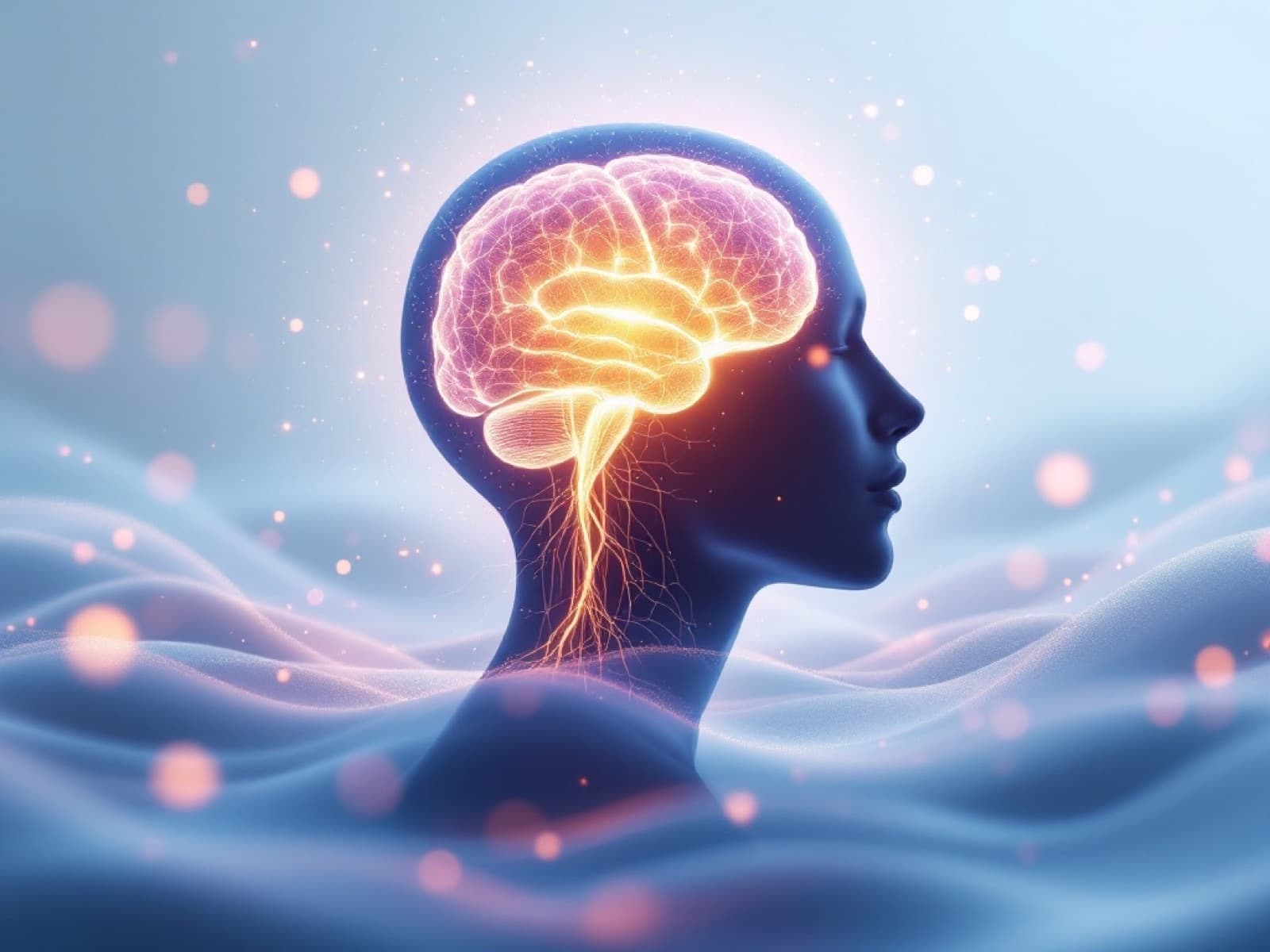
Psychological trauma has a deep and complex impact on the brain, involving various neurotransmitters and neurophysiological processes. In response to a traumatic event, the limbic system, and in particular the amygdala, becomes intensely activated, triggering a cascade of neuroendocrine responses. This leads to the release of stress hormones, such as cortisol and adrenaline, which prepare the body for a "fight or flight" response. However, chronic exposure to these hormones can impair the functioning of the hippocampus, a structure that is crucial for forming and retrieving traumatic memories.
Trauma can alter memory processes, leading to a predominance of implicit memories, which are often non-verbal and show up as bodily sensations or flashbacks. These implicit memories can easily be reactivated by environmental cues associated with the traumatic event, provoking intense and dysfunctional emotional responses.
Effects of Psychological Trauma on Development:
Exposure to psychological trauma during critical phases of development can have lasting consequences on the brain and on behaviour. In children, trauma can interfere with the maturation of synaptic connections, compromising the capacity for emotional regulation and the formation of secure interpersonal relationships. This can show up as learning difficulties, behavioural problems and a greater predisposition to psychiatric conditions such as anxiety and depression.
Developmental trauma can also affect the attachment system, leading to insecure attachment styles that persist into adulthood and have a negative impact on interpersonal relationships. However, thanks to neuroplasticity, the brain retains the capacity to reorganise itself. Targeted therapeutic interventions can support the restructuring of neural connections, promoting recovery and positive adaptation.
Trauma-Informed Therapies: A Meaningful Approach to Recovery
Trauma-informed therapies are a fundamental approach to treating trauma, because they are based on a deep understanding of the impact trauma has on a person's life. These therapies recognise the importance of creating a safe, trusting environment in which the client can feel welcomed and understood without judgement. The trauma-informed approach focuses on building an empathic and respectful therapeutic relationship that values the client's self-determination and resilience.
A key element of trauma-informed therapies is the integration of techniques that help regulate the nervous system, reducing hyperarousal and promoting a state of calm and safety. These techniques may include mindfulness, mindful breathing and somatic interventions that help re-establish a positive connection with the body. Trauma-informed therapies also encourage the exploration of the client's inner and outer resources, supporting the healing process by strengthening coping skills and fostering a sense of empowerment.
Through a personalised and integrated approach, trauma-informed therapies aim to transform traumatic experiences into opportunities for post-traumatic growth and healing, helping clients rebuild a full and meaningful life.
Transform your pain into growth
If you feel that trauma has left a mark on your life and you would like to begin a path of healing and personal growth, trauma-informed therapies can offer you the support you need. Working with trauma requires an in-depth and complex assessment, together with the use of integrated methods, both top-down and bottom-up. These methods aim to work dynamically on the processes of self-regulation and emotional integration. Through this process of integration, it is possible to transform emotional blocks and restore lasting wellbeing.
Contact me for a personalised consultation
I'm here to support you on your path towards psychological and physical wellbeing. If you'd like to know more about my services or book a consultation, don't hesitate to get in touch:
- Email: francesca.peruzzi.psy@gmail.com
- Phone: +39 351 8599378
I see clients in Milan and also offer online sessions for flexibility and accessibility.