Moving Mind · Trauma and the body
Trauma as a seed of transformation: Prometheus and the wounded soul
Francesca Peruzzi, psychologist · 1 September 2025 · 6 min read
Trauma is not just a painful memory: as the physician and psychotherapist Gabor Maté writes, it is an invisible force that shapes our lives. It influences how we love, how we form bonds and how we interpret the world. We don't always see it, but we often feel its weight in the body, in our relationships and in society.
The silent faces of trauma
Trauma takes many forms, and each one leaves different traces:
- Family trauma: violence, neglect, addictions that mark childhood.
- Transgenerational trauma: unprocessed pain passed down from one generation to the next.
- Social trauma: discrimination, poverty, exclusion.
- Collective trauma: wars, terrorist attacks, earthquakes, pandemics that strike entire communities.
Think of the collapse of trust that followed the Covid-19 pandemic, the widespread fear after 9/11, or the sense of precariousness created by earthquakes in Italy and by today's conflicts around the world. These are wounds that remain in the collective memory and that affect even those who were not directly hit.
Trauma does not stay confined to the psyche; the body itself becomes a witness: anxiety, insomnia, autoimmune diseases, chronic conditions. It is the body that says "no" when the mind can no longer bear the weight of invisible wounds. Trauma freezes us, splits "before" from "after" and breaks the thread that holds a personal story together. We feel rootless, cut off from our origins, and wingless, unable to imagine new possibilities. It is like living suspended while the rest of the world keeps moving.
Post-traumatic disorders: the neurobiology of trauma
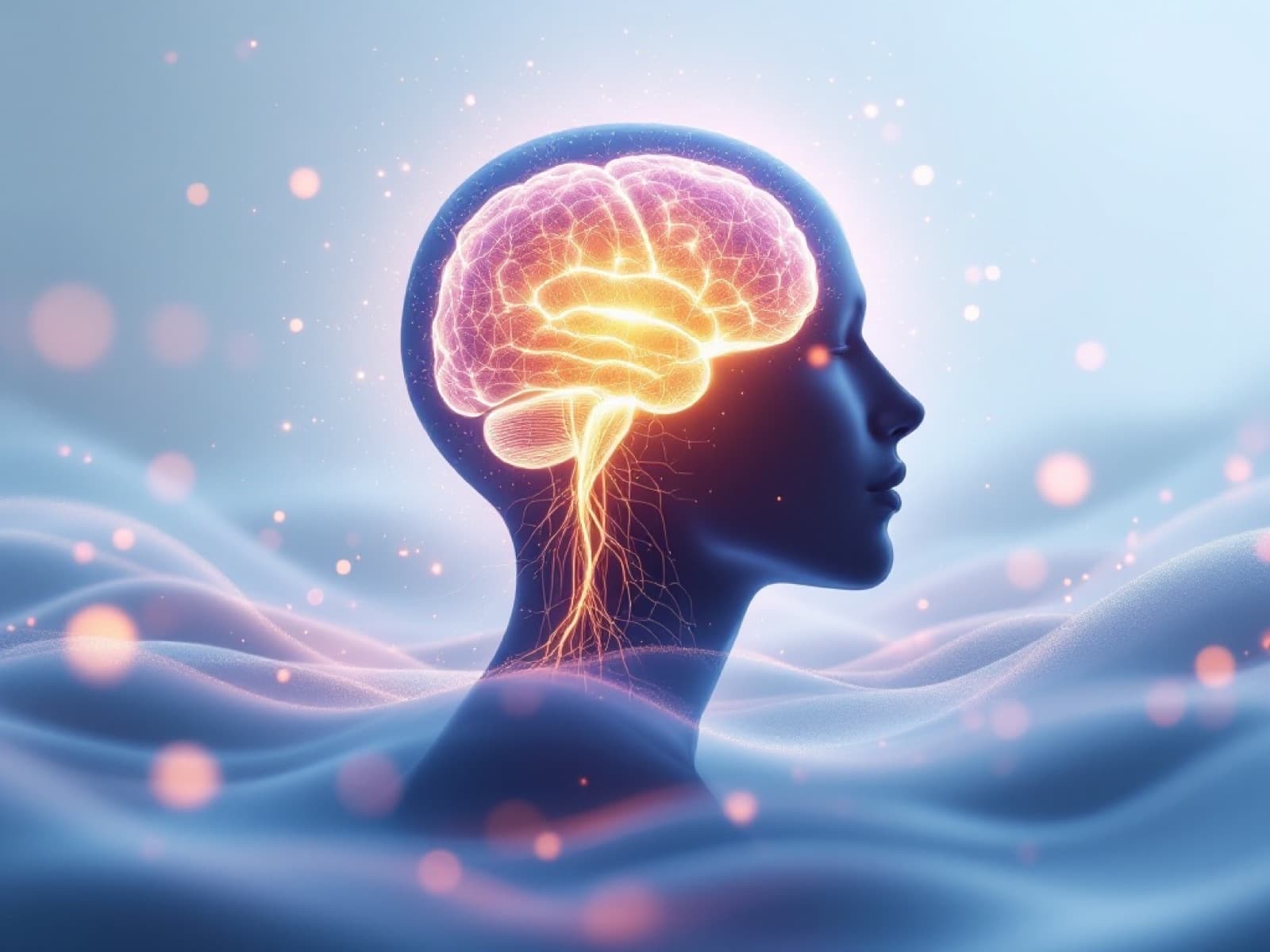
Neuroscientific research shows us what happens in the brain during and after trauma. The amygdala, the brain's fear centre, stays on constant alert; the hippocampus, which regulates memory and our sense of time, struggles to place the event in the past, keeping alive the feeling that the danger is still present; the prefrontal cortex, which normally helps us regulate emotions and thoughts, becomes less effective. This imbalance explains why people who have lived through trauma feel trapped in a "foggy present" of fear and find it hard to imagine the future. The wound is not only psychological: it is a "neurobiological fracture" involving body, mind and memory.
The main post-traumatic disorders:
- Post-Traumatic Stress Disorder (PTSD): characterised by flashbacks, nightmares, hypervigilance and strong avoidance of traumatic memories.
- Acute Stress Disorder (ASD): similar to PTSD, but it arises immediately after the event and lasts a few weeks.
- Complex Post-Traumatic Stress Disorder (C-PTSD): typical of people who have experienced repeated and prolonged trauma (abuse, violence, war), with symptoms that include dissociation, relational difficulties and a profound alteration of self-image.
Roots and wings: towards a rebirth
Trauma is not only destruction. There is a process called Post-Traumatic Growth (PTG): after a traumatic event, many people develop greater empathy, more authentic relationships and a renewed sense of life.
A study by Prati and Pietrantoni (2006) showed how social support, positive emotions and active coping strategies can foster post-traumatic growth after painful experiences. A later meta-analysis confirmed that therapy, spirituality and a support network are key factors in turning trauma into an opportunity for positive change.
The Covid-19 pandemic clearly showed the two faces of collective trauma: on one side isolation, anxiety and loss of trust; on the other, new forms of solidarity, resilience and a rediscovery of community.
If trauma is born in relationship, in the family, in society, in history, then healing cannot be only individual either. It needs communities able to welcome, listen and transform the wound into living memory.
- Roots are rebuilt through stability, belonging and continuity.
- Wings open again when we feel part of something greater and can imagine a new future.
Trauma breaks us, but it can also become the seed of a transformation. It is not about forgetting, but about turning pain into new life force.
From myth to rebirth: Prometheus and the wounded soul
Depth psychology teaches us that trauma is not just an event: it is an archetypal experience. Jung spoke of archetypes as primordial images that structure the human psyche. From this perspective, trauma is not only a personal fracture but an initiatory passage that belongs to the story of the soul.
James Hillman, the founder of archetypal psychology, held that the soul expresses itself through images. Myths do not explain pain, they represent it; they offer a symbolic language through which trauma can be thought, felt and transformed.
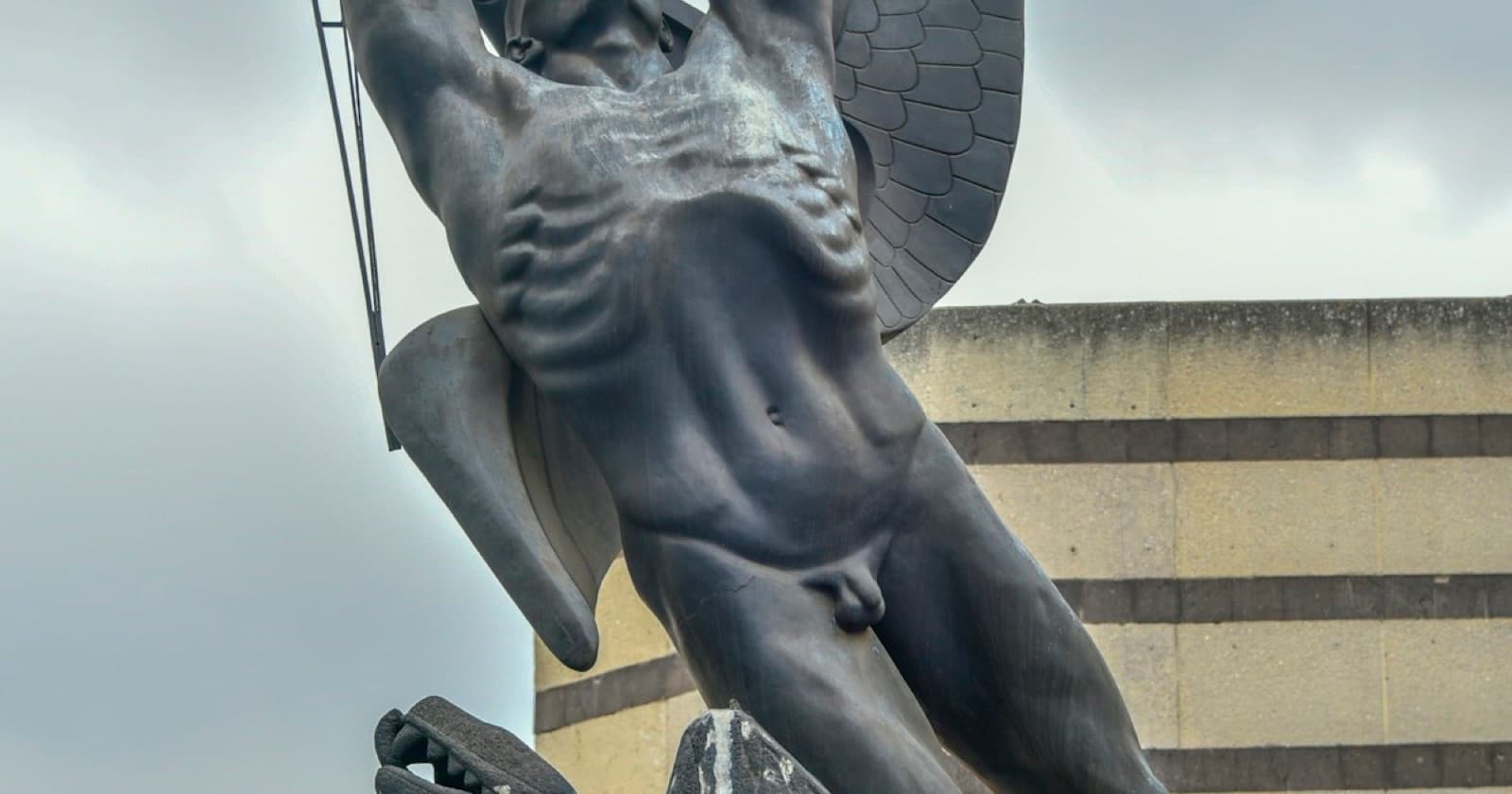
The myth of Prometheus is one of these images. Prometheus steals fire from the gods to give it to humankind: fire as consciousness, awareness, inner light, the capacity to illuminate and transform. Every act of consciousness means looking into the wound, the narrow opening, of pain, and this is why Zeus punishes him: he is chained to a rock, and every day an eagle devours his liver. In antiquity, the liver was considered the seat of the emotions and of life.
Metaphorically, the rock represents traumatic fixation: the inability to move, psychological paralysis.
The eagle that returns every day is the repetition of trauma: the intrusive memory, the flashback, the pain that seems never to end. The liver that grows back every night is the extraordinary resilience of the psyche: its capacity to regenerate even when it seems destroyed. Trauma, like Prometheus' punishment, is cyclical. It is not used up in a single moment: it reactivates.
In archetypal terms, Hillman would say that the soul keeps returning to what has not yet been fully imagined.
The myth does not stop at suffering: in some versions, Heracles frees Prometheus. Heracles represents the strength of the ego which, after going through initiatory trials, reaches maturity. It is not a magical liberation: it is the fruit of a journey, and this passage is essential to understanding post-traumatic growth.
From an alchemical psychological perspective, Jung saw in myths and in alchemy the symbolic map of the processes of psychic transformation. Trauma goes hand in hand with the nigredo. It shatters self-image, breaks narrative continuity, dissolves certainties. The nigredo is the dark phase of the alchemical opus: chaos, disintegration, loss of meaning, the moment when the previous identity dies.
In alchemy, the nigredo is not the end: it is the beginning of transformation, where only by passing through decomposition can a new, more authentic and integrated form emerge.
Post-traumatic growth, in archetypal terms, is not "going back to how things were". It is becoming something else.
If we look at the Promethean myth as a psychological process, we can recognise some stages of transformation:
- The theft of fire: The traumatic event shatters innocence. It forces consciousness. Nothing is the same as before.
- The chaining: A phase of immobility, dissociation, repetition. Trauma dominates the psychic stage.
- The regeneration of the liver: The psyche keeps trying to rebuild itself. Even in pain there is a vital drive.
- The liberation: Through relationship, therapy, meaning and symbolisation, trauma can be integrated into one's personal story.
Post-Traumatic Growth (PTG) is not the denial of suffering, but its symbolic integration. In Jungian terms, we might say that trauma forces the individual to confront the Shadow and sets in motion a process of individuation; only when the surface identity cracks can a more authentic Self emerge.
Hillman would go even further: it is not about "overcoming" trauma, but about giving it an image. When pain finds a symbolic form, it is no longer just a wound: it becomes a story, a personal myth, a symbol of transformation.
The fire Prometheus stole was not destroyed by the punishment; it keeps burning. In the same way, trauma can imprison us, but it does not extinguish the possibility of meaning. Transformation happens when pain is no longer just automatic repetition, but becomes an experience that can be observed, shared and symbolised.
This is not about glorifying suffering. It is about recognising that, in the psyche, every wound contains an image waiting to be understood.
And when the soul finds a path of meaning within pain, the roots grow deeper and the wings, paradoxically, stronger.
Trauma can imprison us in pain and fear, but, if we pass through it, it can become inner fire, creative energy and light for ourselves and for others.
Francesca Peruzzi
Clinical psychologist, Expressive Art Therapist, Wellbeing Creative Director Moving Mind